
 KinoDobirka editorial rating
7.5 / 10
An ordinary family suddenly finds itself trapped inside its own home. The doors and windows can no longer be opened, all contact with the outside world disappears, and the endless rain gradually turns their familiar house into an isolated territory with no way out. At first, the family tries to understand what is happening and adapt to their new circumstances. But it soon becomes clear that the danger is not limited to what is happening inside the house.
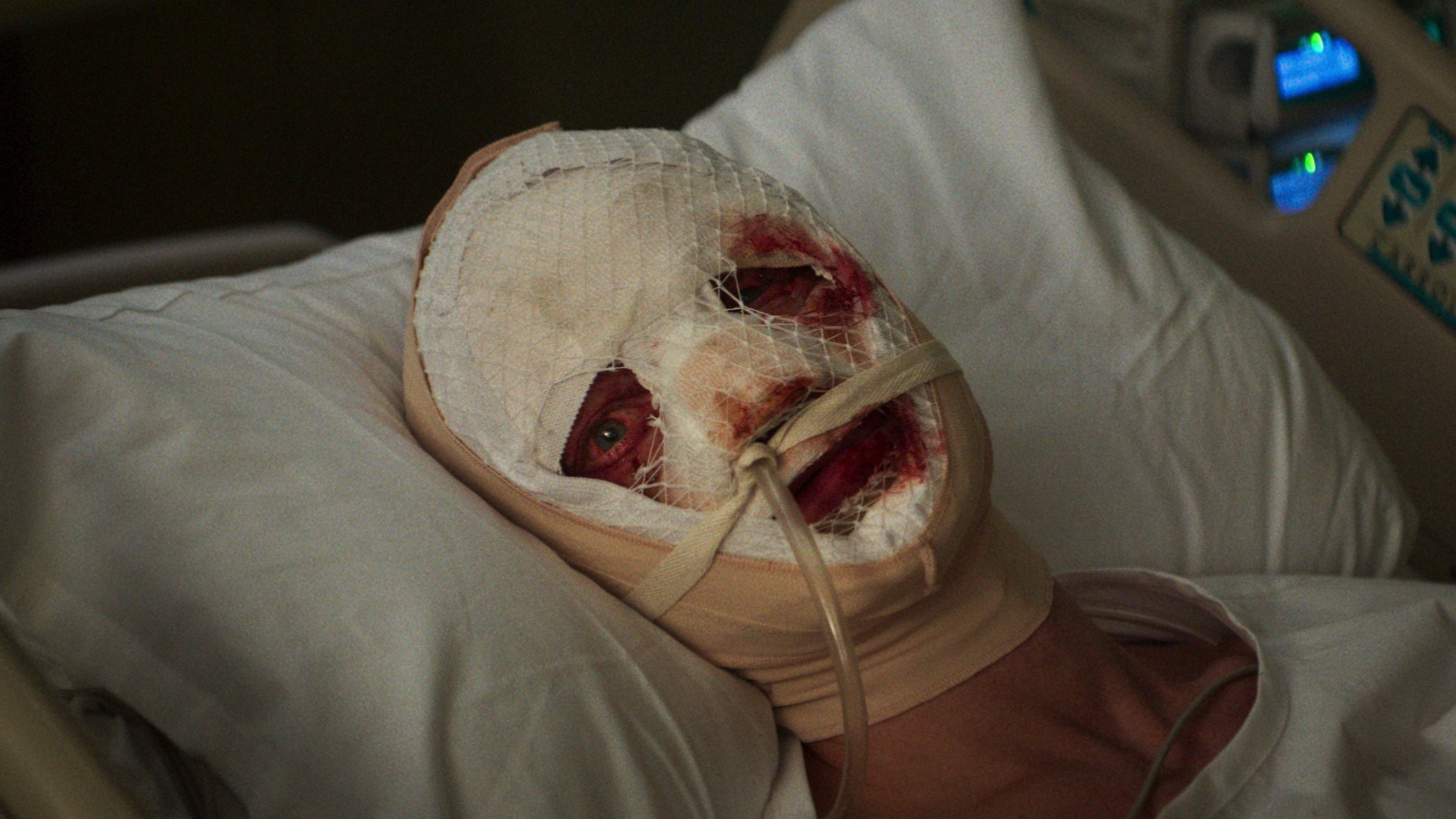
Their food supplies begin to run out, their chances of survival become increasingly limited, and something unknown outside the house starts to pose a real threat. What initially seems like a story about being trapped for a few days gradually turns into years of fighting to stay alive.
“The Last House” had a strong foundation for a contained science-fiction thriller. The confined setting, a family forced to live there for years, and an unexplained threat outside the house create plenty of opportunities for psychological drama. The film works best when it uses its science-fiction premise as a backdrop for a story about the relationships between its characters.
The first half is particularly engaging as the family tries to establish some kind of routine in a house that has effectively been cut off from the rest of the world. They have to ration their food, find ways to grow something indoors, take care of the children, and maintain at least some semblance of a normal life. These moments create the strongest tension because the characters are constantly forced to make decisions that could determine whether they survive.
As the story progresses, however, it shifts increasingly toward survival, horror, and science fiction. At the same time, the film loses some of the appeal it established early on. Unknown creatures, a mysterious substance, and events supposedly meant to explain the nature of this world take center stage. The problem is that there are barely any explanations.
What exactly is the strange water? Where did the creatures come from? What do they want? Why are some of them violent while others seem willing to make contact? The film leaves almost all of these questions unanswered. An open ending is not inherently a problem, but here it feels less like an invitation to interpret the story and more like a sign that essential context is missing.
The central idea, however, is clear. Under extreme circumstances, people can easily lose their moral bearings, especially when the safety of their family is at stake. The characters are constantly forced to choose between staying true to their principles and doing whatever is necessary to survive. This is one of the strongest themes in the film.
It is unfortunate that the filmmakers gradually move away from this idea toward more familiar genre conventions as the story approaches its conclusion. The film increasingly becomes a survival horror, even though the psychological transformation of the family is far more interesting than the external threats surrounding them.
In that sense, “The Last House” brings to mind the concept of “A Quiet Place,” where the supernatural threat was also an important part of the story, but the characters remained at its center. Here, that balance gradually falls apart. The more attention the film gives to its creatures and the rules of its mysterious world, the less room remains for the people trapped inside it.
Visually, however, the film makes a much stronger impression. The house gradually ages and falls apart along with the lives of its inhabitants, becoming a reflection of their psychological state. A space that initially feels safe and comfortable grows darker and more claustrophobic over time. The sense of isolation is conveyed effectively, and in several scenes you genuinely feel that there is nowhere for the characters to run.
Wagner Moura and Greta Lee deserve particular praise. They convincingly portray parents who spend years trying to protect their children while also keeping their family from completely falling apart. Moura is especially effective at portraying the gradual psychological exhaustion of a man who is constantly searching for solutions while knowing that there may be no truly right choice.
Greta Lee, meanwhile, captures the fear for her children, despair, anger, and the constant attempt to preserve whatever remains of their former life. The children also deliver solid performances, so the family dynamic never feels entirely artificial. The cast helps keep the dramatic side of the film engaging even when the script itself begins to lose its footing.
Conclusion
“The Last House” could have been a much stronger science-fiction drama if it had maintained its focus on the family and their struggle to survive all the way to the end. The film has an effective atmosphere, strong performances, striking visuals, and several genuinely memorable scenes.
However, the underdeveloped mythology, lack of convincing explanations, and gradual shift toward fairly conventional horror weaken the overall experience. The strongest part of “The Last House” is ultimately the story of people who spend years trapped in the same space while trying not to lose themselves. That is the part of the film that deserved much more attention.
Who it's for: “The Last House” may appeal to viewers who enjoy contained science-fiction thrillers about isolation, survival, and unexplained phenomena. It is worth trying if you are interested in stories about families forced into extraordinary circumstances and made to fight for survival while facing moral dilemmas and psychological exhaustion. However, viewers who expect a carefully developed science-fiction world with clear explanations should keep their expectations in check, as this is where the film leaves the most questions unanswered.

Share the review


Comments (0)
Could not reload comments — please try again
Quiet for now.
Anything to add to this review? Share your thoughts and be the first to comment.