
«Worth watching»
 KinoDobirka editorial rating
7.0 / 10
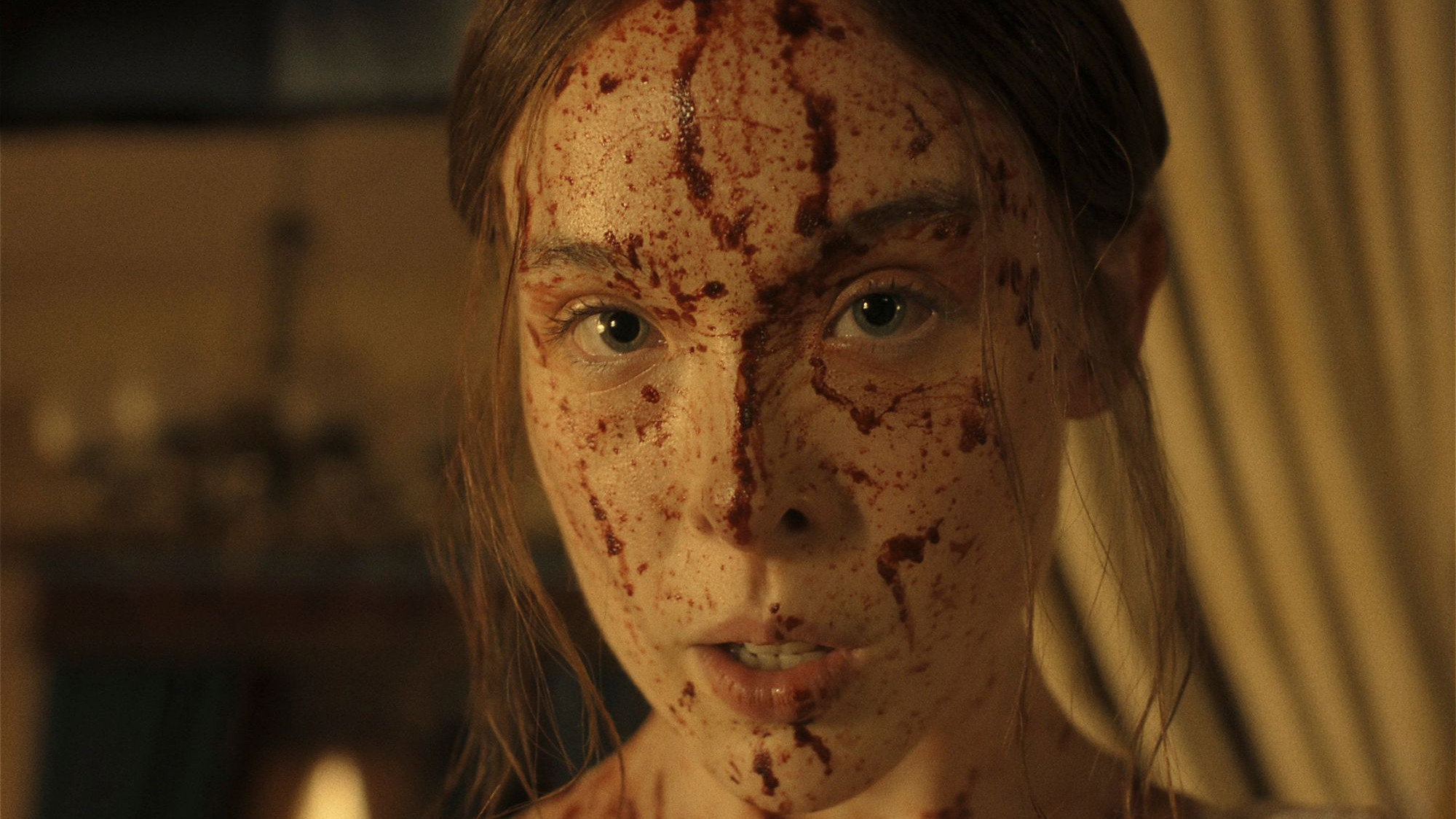
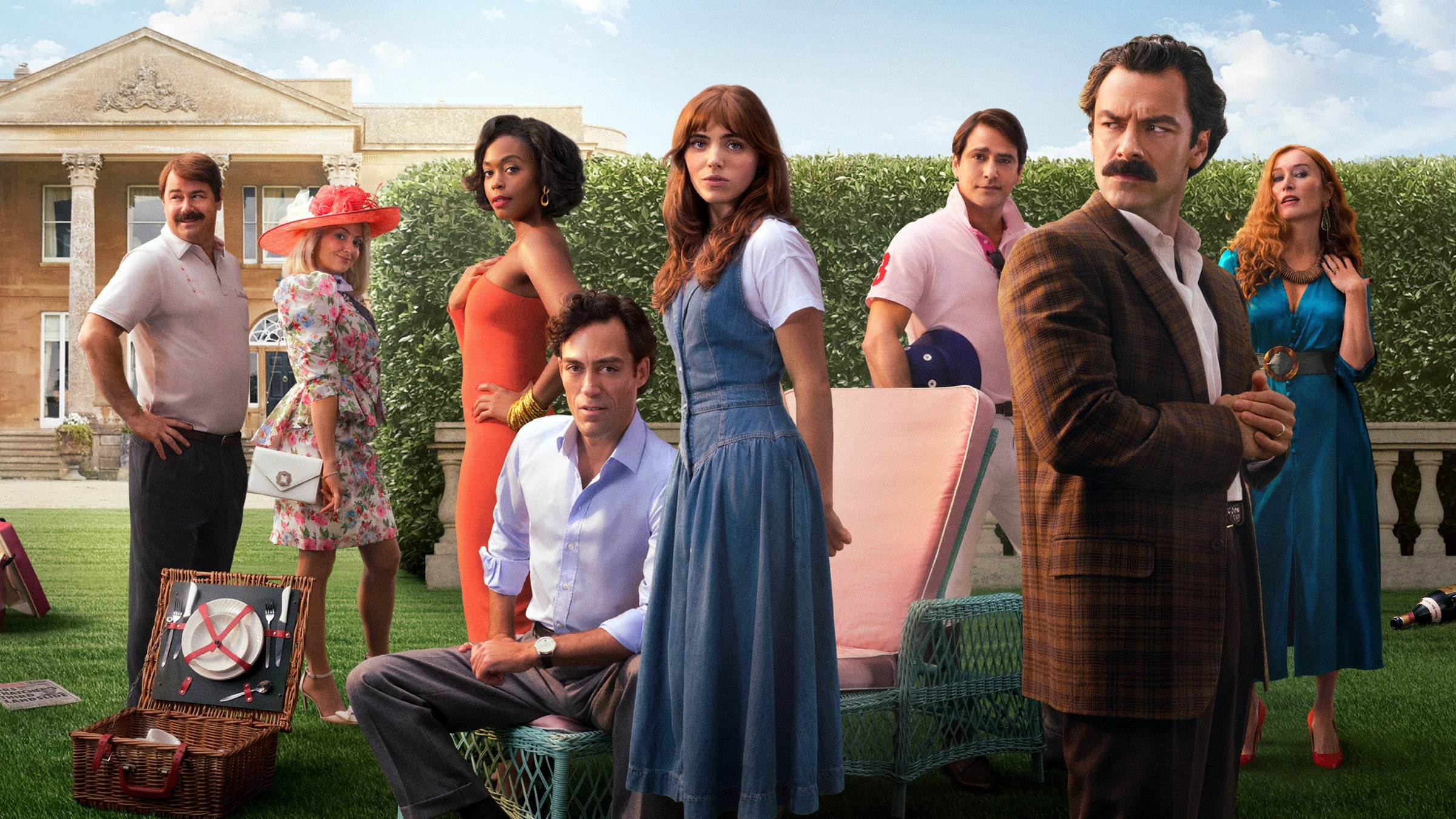
In the center of the plot is Stanislav Vokulsky, a successful entrepreneur who falls in love with the aristocrat Izabela Lentska. For her sake, he seeks to become part of the higher world, hoping that wealth and social status will help him win her affection. However, even financial success does not guarantee respect from the aristocracy or mutual feelings. Gradually, Vokulsky's love turns into an obsession, which forces him to sacrifice his own interests.
The series is based on the novel of the same name by Polish writer Boleslaw Prus and offers his own reading of a classic story about love, ambition and social inequality.
Impressions of the series
The main theme of "Dolls" is the conflict between personal desires and social rules. Vokulsky reaches a luxurious life for himself, but he is not able to buycommitment of those among whom it seeks to be its own.
It is especially interesting to observe the relationship between Vokulskyi and Isabella. They have different understandings of love, happiness, and their own future. He is ready to sacrifice a lot for the sake of his beloved, while her attitude towards him remains ambiguous. Because of this, the romantic line becomes dramatic, and the actions of the protagonist sometimes cause more questions than sympathy.
Vokulsky is a character who seeks to prove his value not only to his beloved woman, but also to society, which continues to evaluate him by his origin. This is one of the most interesting conflicts of history: trying to gain recognition, landmarks.
The visual component complements the story with costumes, luxurious interiors and an aristocratic atmosphereWarsaw: The contrast between a privileged environment and people who are trying to change their situation helps to better reveal the social background of the plot. At the same time, a more modern interpretation of the classic work, irony and grotesque elements distinguish this version from the traditional costumed drama.
What attracts attention?
Social inequality: History shows how origins and social status affect human relationships and opportunities.
Character psychology: The motives of the characters are not reduced to a simple division into positive and negative. Their decisions can be both understandable and annoying.
Difficult romantic line: Vokulsky and Isabela's relationship raises the question of the line between love, idealization, and dependence on someone else's approval.
Atmosphere classics. New accents and a more modern style of storytelling make it possible to look at a familiar story from a different angle.
What are thecons?
Ambiguous behavior of the protagonist. Vokulsky's obsession with Isabella can be annoying, especially when his feelings are forced to neglect his own needs.
Contradictory image of Isabella. Her actions and attitude towards Vokulsky can complicate the empathy of the heroine.
Deviations from the original source: Individual changes in the plot and characters may seem unsuccessful to viewers who are well acquainted with the novel by Bolesław Prus.
Unusual combination of tones. Irony and grotesque can contrast with the drama of a romantic story and affect the integrity of perception.
Conclusion
"Doll" (2026) is a story about love, which gradually becomes a test, and about a person who seeks to prove his value to a society that is not in a hurry tries to become for the sake of his beloved. His story is reminiscent of how dangerous it is to build your own happiness around the person you expect to prove your worth.
Who it's for: will interest fans of historical dramas, complex romantic stories and psychological conflicts. It is also suitable for those who love ambiguous characters and modern interpretations of literary classics.

Share the review

Comments (0)
Could not reload comments — please try again
Quiet for now.
Anything to add to this review? Share your thoughts and be the first to comment.